Your effort and contribution in providing this feedback is much
appreciated.
Close
Ad Feedback
Super-speed supercomputers
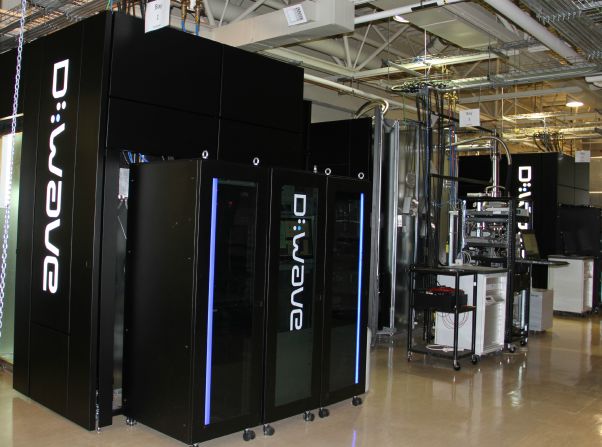
D-Wave's quantum machine —
The exterior of D-Wave's quantum computing machine, based in the company's lab. The machine keeps the quantum chip at exactly the right temperature, just above absolute zero. Quantum computing could ultimately far outpace today's fastest supercomputers, at least for certain types of calculation.
D-Wave Systems, Inc.
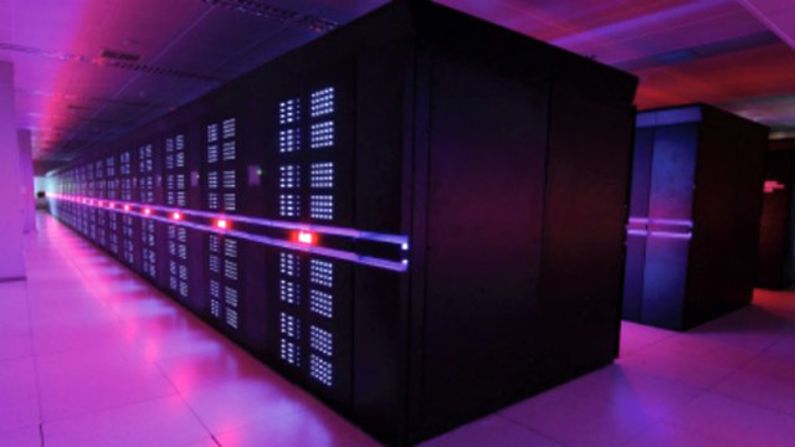
Supercomputer - Tianhe-2 —
China's Tianhe-2 is the world's fastest supercomputer, according to the "Top500" list of supercomputers. It says Tianhe-2 has achieved a performance of 33.9 petaflops (33,900 trillion floating point operations per second). It's the work of China's National University of Defense Technology (NUDT) and IT firm Inspur.
courtesy top 500/professor jack dongarra
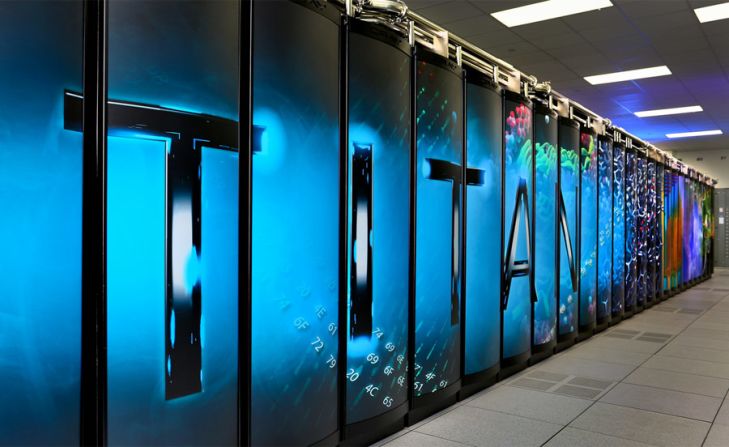
Supercomputer - Titan —
Occupying 4,352 square feet at the U.S. Department of Energy's Oak Ridge National Laboratory, Titan has managed a performance of 17.6 petaflops, making it the world's second-fastest computer.
courtesy Oak Ridge National Laboratory and NVIDIA Corporation
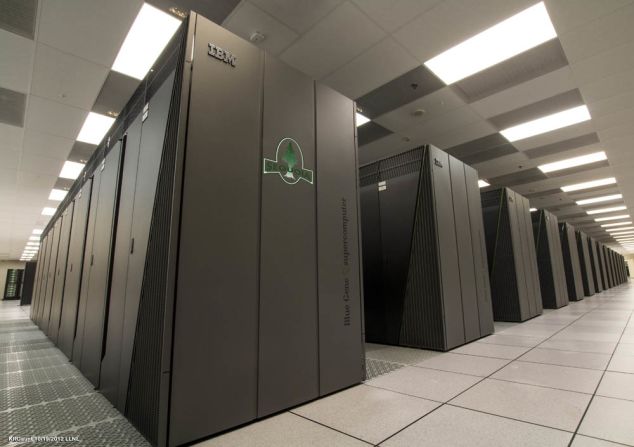
Supercomputer - IBM Sequoia —
The result of a partnership between Lawrence Livermore National Laboratory and IBM, the 96-rack Sequoia computer clocks in at 16.32 sustained petaflops, making it the current number three on the Top500 list.
courtesy Lawrence Livermore National Laboratory
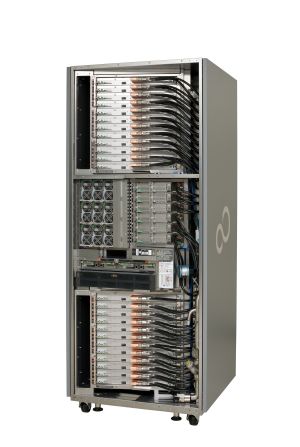
Supercomputer - K Computer —
Japan's K Computer was the world's fastest supercomputer from June 2011 until June 2012 and has clocked in at 10 petaflops. Pictured is one its 864 cabinets.
Courtesy of Fujitsu
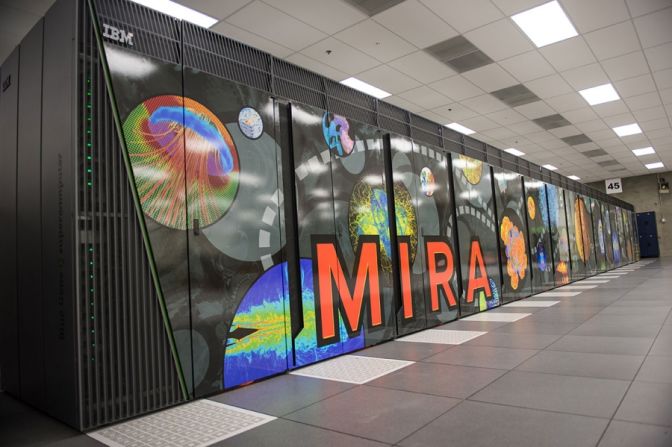
Supercomputer - Mira —
Made up of 48 racks, 786,432 processors, and 768 terabytes of memory, Mira is a 10 petaflop IBM Blue Gene/Q system. It is located at the Argonne Leadership Computing Facility, in Illinois and is number five on the Top500 list.
courtesy Argonne Leadership Computing Facility
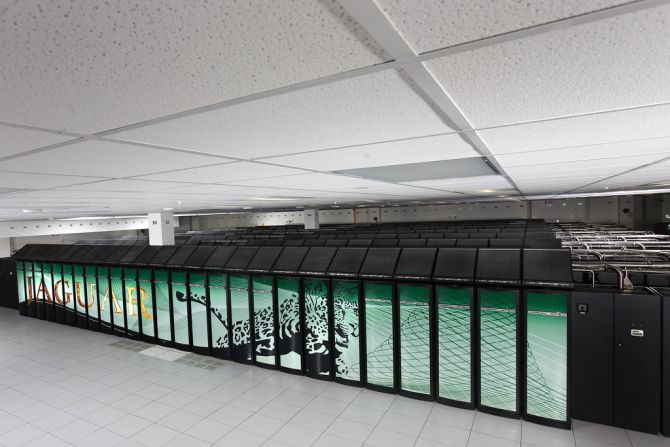
Supercomputer - Cray XT Jaguar —
The Cray Jaguar supercomputer can perform more than a million billion operations per second. It takes up more than 5,000 square feet at Oak Ridge National Laboratory in the United States. In 2009 it was ranked the fastest computer in the world.
Courtesy of Oak Ridge National Laboratory, US Dept. of Energy
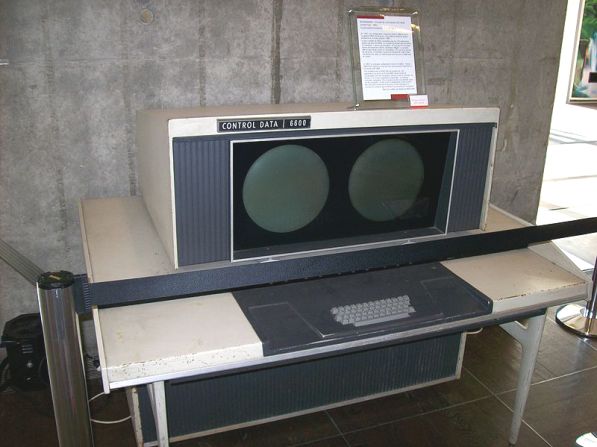
Supercomputer - CDC 6600 2 —
A console from what is considered the world's first supercomputer -- the CDC 6600. Designed by American Seymour Cray and completed in 1964, it could perform more than one million floating point operations per second.
Supercomputer - Cray 1 —
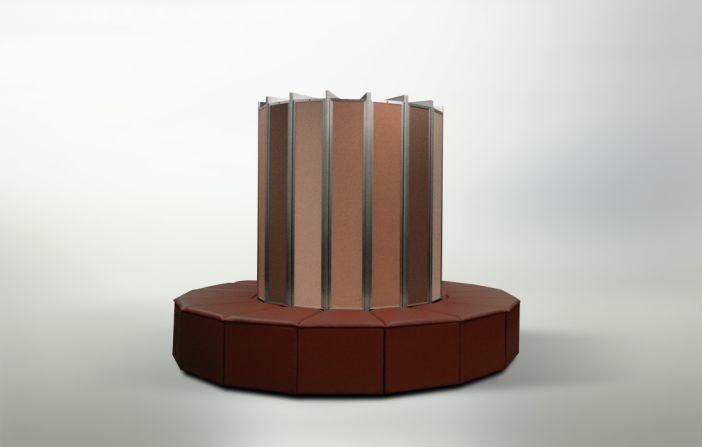
A landmark in supercomputing, another Cray design, the Cray 1, came on line in 1976. It was capable of more than 100 million floating point operations per second.