There's nothing more popular in Hong Kong than a T-shirt with a slogan on it. With Snaptee, you can make your own. "This is a very accessible app with global appeal," says angel investor Simon Squibb, adding that "the tech is applicable to a wide range of products."
snaptee
2. Baobeihuijia —
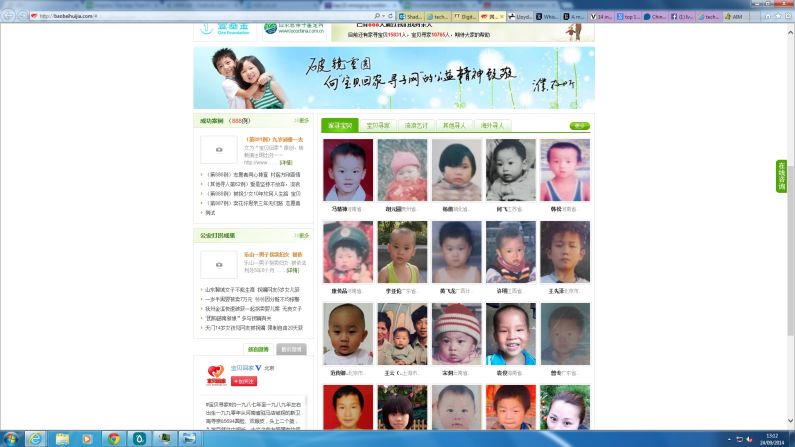
In China, more than 20,000 children go missing each year, sold into slave labor, prostitution, or a life on the streets as beggars. Baobeihuijia -- or Baby Back Home -- uses face recognition technology to turn anyone with a smartphone into a search volunteer. So far, the site has had more than 680 successful reunions and more than 13,000 families have listed missing people. "This site is an extension of a blog set up by Professor Yu Jianrong of the Chinese Academy of Social Sciences several years ago which was quite successful in reuniting missing children with their families," says Biggs.
baobeihuijia
3. Gogovan —
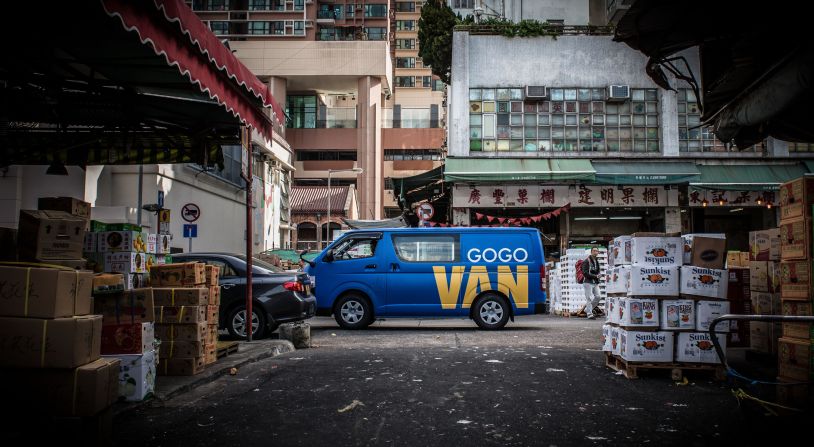
Hong Kong's Gogovan aims to be the "Uber for logistics" and already has 50,000 plus transactions a day. "Gogovan has very ambitious goals," says Napoleon Biggs, digital media specialist. "They've seen what Uber has done and want to do the same with transport. This plays well across a lot of countries in Asia."
gogovan
4. Foodiequest —
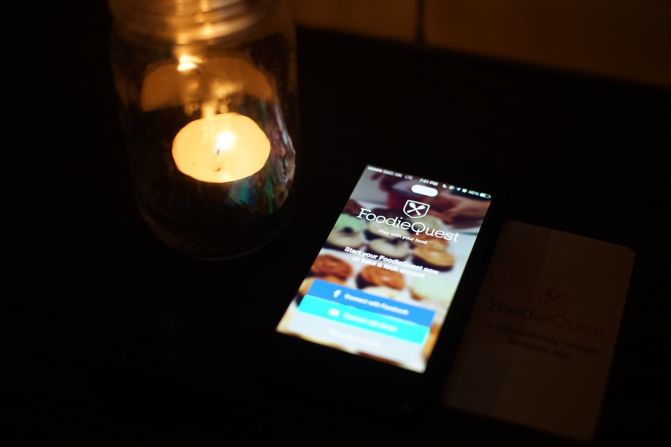
It was only a matter of time before someone worked out a way to capitalize on Asia's love of photographing dinner. Second only to selfies in the universe of photo-sharing, Foodiequest aims to "gamify" food pics. "This aims to be the Instagram of food where so many others have failed," says Squibb.
foodiequest
5. Viki —
Razmig Hovaghimian (pictured) is CEO and co-founder of global TV site Viki, a Singapore-based on-demand video-sharing platform that translates everything from Korean dramas, Japanese films and Bollywood hits to make them accessible to wider audiences. Some 17% of Viki's global TV audience is now in Europe. "It's a very appealing offering," says Biggs. "The UK in particular is such a hotpot of cultures. There's no reason why it wouldn't do well there."
viki
6. Mimi —
This slogan for Mimi reads: "What are your friends like when they're anonymous?" Social networking sites that allow users to cloak their identities are gaining traction in China where internet monitors regularly censor content. Time will tell, however, whether the authorities will allow sites like Mimi to go mainstream. "When it's anonymous, users are more willing to share information. Users may have nicknames, but behind those nicknames are real social connections, friends and colleagues," says analyst Xiafeng Weng of Forrester.
mimi
7. Foureyes —
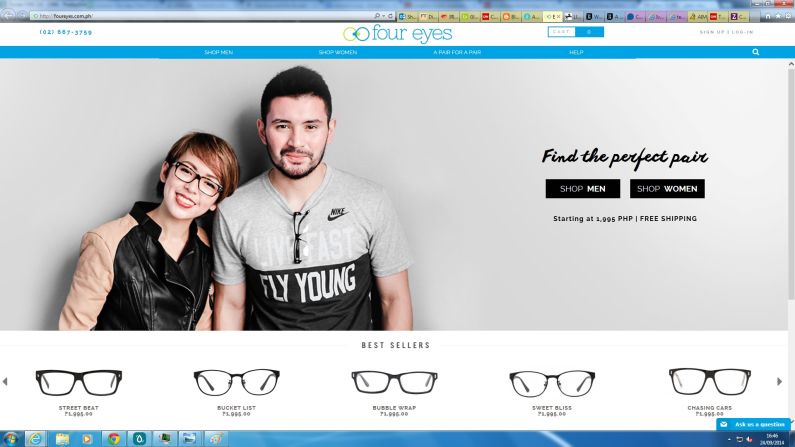
This Philippines startup deals in spectacles and recently raised funding through a number of angel investors. "It offers lower prices on glasses and lets you experience a virtual try-on of the glasses allowing you to try on a pair at home," says Ping Wong of the Hong Kong Internet Society.
four eyes
8. Triip —
Customizing travel itineraries used to be the work of travel agents, but Triip puts it in the hands of spirited amateurs who can design and sell trips they've put together themselves. "It brings the Airbnb concept to local tours and tour guides in Vietnam, allowing anybody with a tour idea to create their own package and sell to interested tourists," says Wong.
triip
9. Jamn —
Jamn makes the building blocks of song writing easy. Using a system based on the Circle of Fifths, the cornerstone of music theory, it helps musicians to construct chords and understand scale patterns, or new learners to play guitar. "At the moment, they have got 1.8 million downloads and it was selected as the best in the music category in 2013 by Apple App Store," says Wong. "It recently raised US$300,000 in seed money."
jamn
10. Simple Wearables —
Simple Wearables has created a wearable device to bring emergency assistance to the elderly -- it can detect and get help for someone if they've had a fall. "This HK-based startup combines social good with cutting edge wearable technology," says Squibb.