Your effort and contribution in providing this feedback is much
appreciated.
Close
Ad Feedback
Death in Harlem
Death in Harlem —
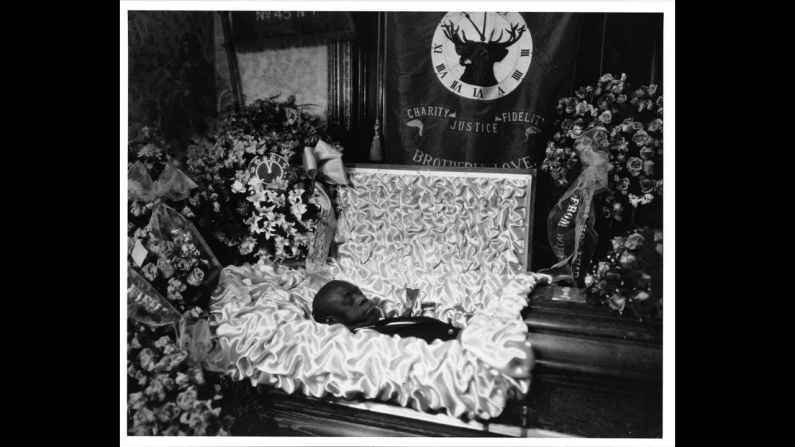
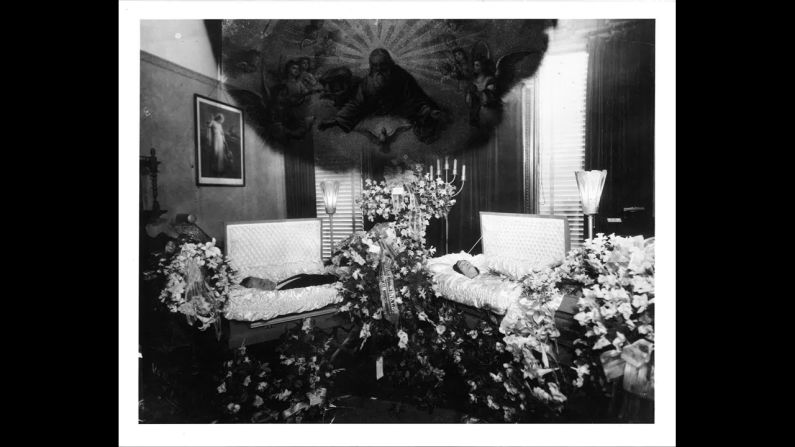
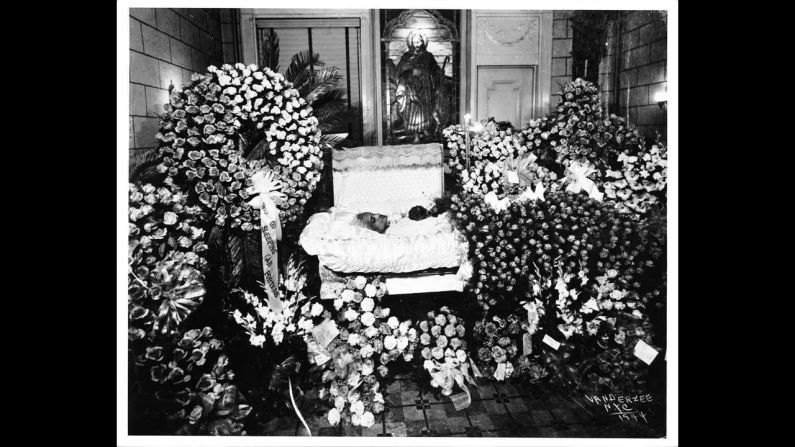
Before cameras became widely accessible, photographers such as James VanDerZee provided the very few images that were made of a person -- in life and death.
James VanDerZee/Donna Mussenden VanDerZee
Death in Harlem —
VanDerZee (1886-1983) became known for striking studio portraits and unique retouching techniques.
James VanDerZee/Donna Mussenden VanDerZee
Death in Harlem —
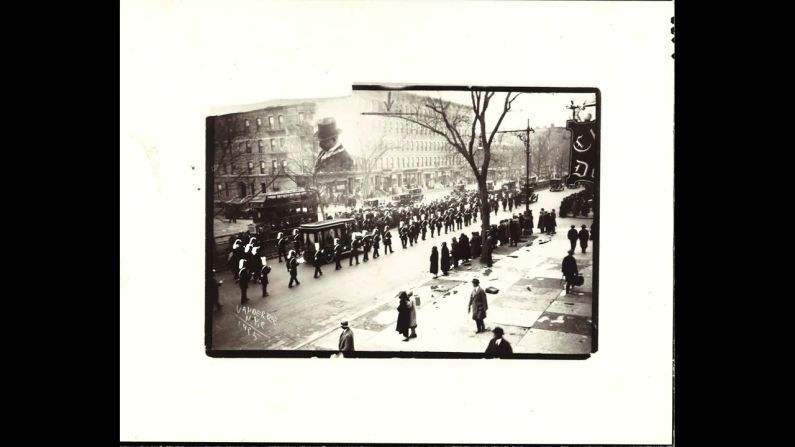
He documented life during and beyond the famed Harlem Renaissance of the 1920s. This is a funeral procession in 1925.
James VanDerZee/Donna Mussenden VanDerZee
Death in Harlem —
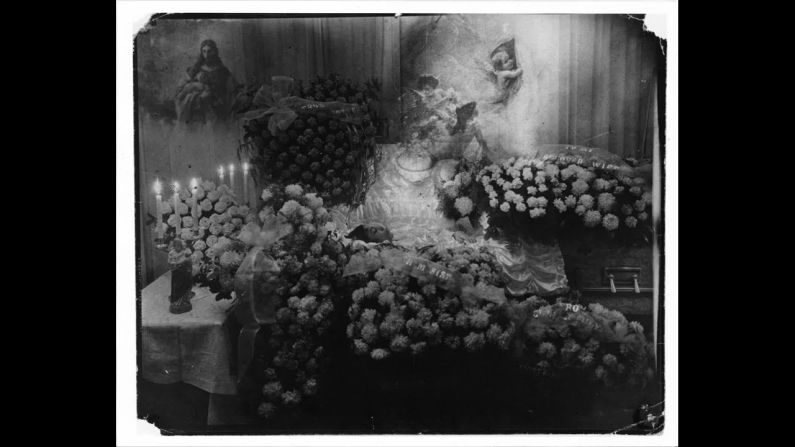
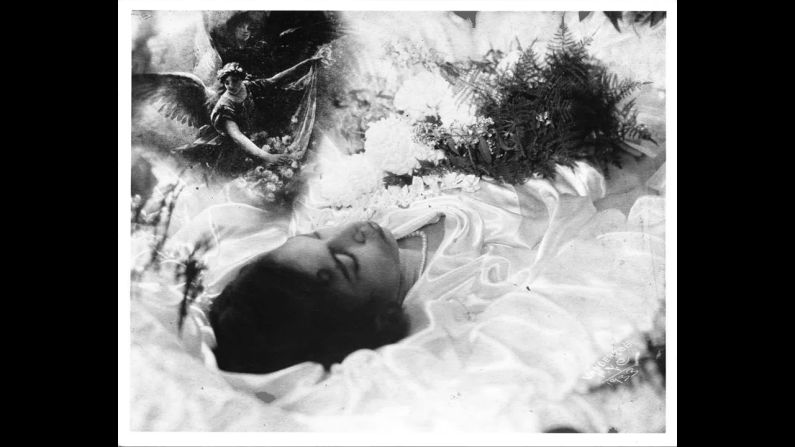
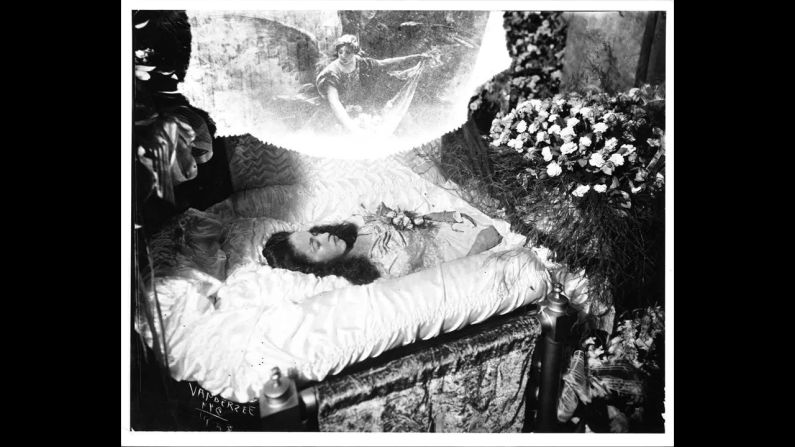
Sometimes VanDerZee photographed people both in life and in death and made a montage, as was the case with his daughter, Rachel, who died at 15.
James VanDerZee/Donna Mussenden VanDerZee
Death in Harlem —
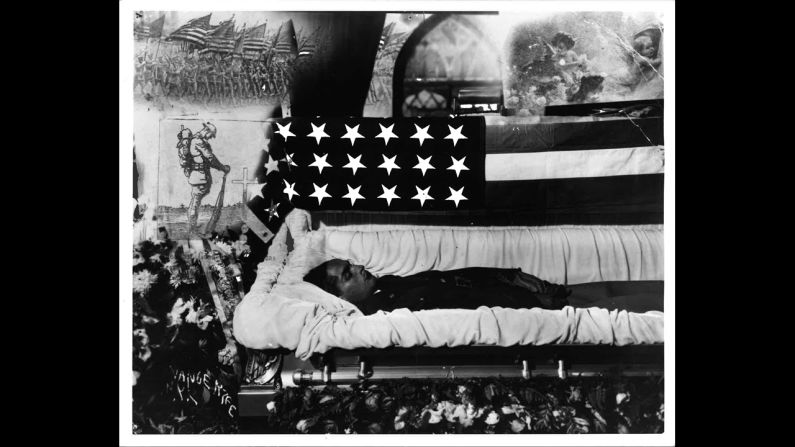
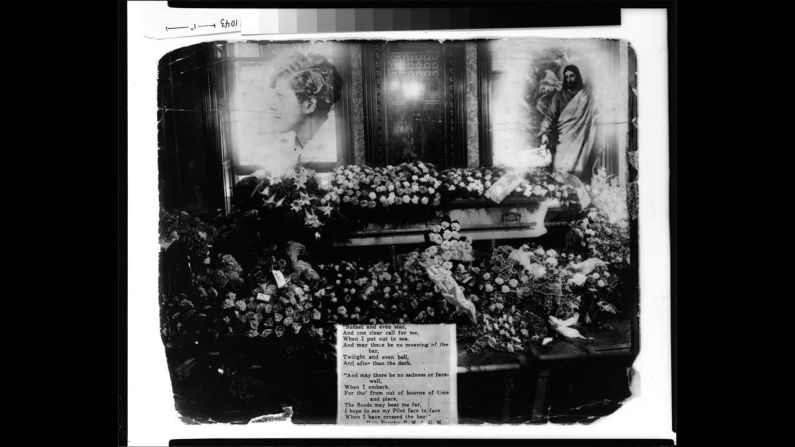
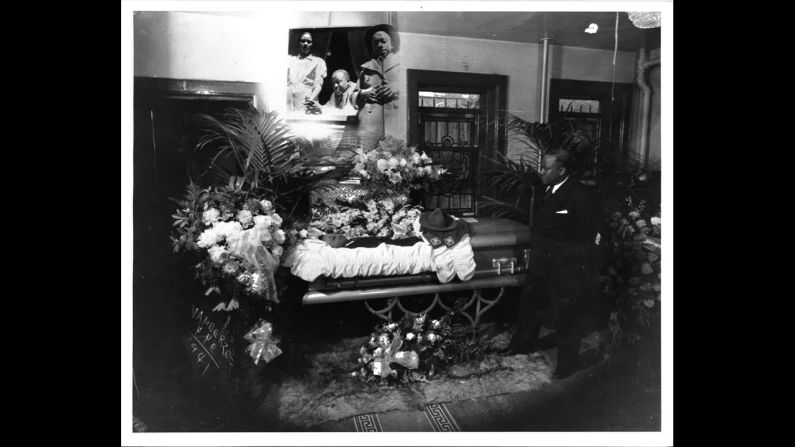
VanDerZee took great care with his postmortem photography. He even chose the objects that were placed around his subjects.
James VanDerZee/Donna Mussenden VanDerZee
Death in Harlem —
People often sent VanDerZee's portraits to relatives they'd left behind in other states when they migrated to New York.
James VanDerZee/Donna Mussenden VanDerZee
Death in Harlem —
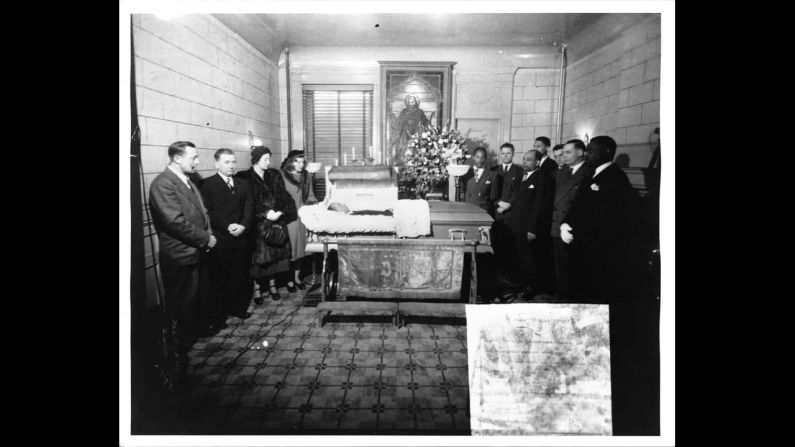
The photographs of funerals, such as this one for a Boy Scout in 1941, became an ode to past lives.
James VanDerZee/Donna Mussenden VanDerZee
Death in Harlem —
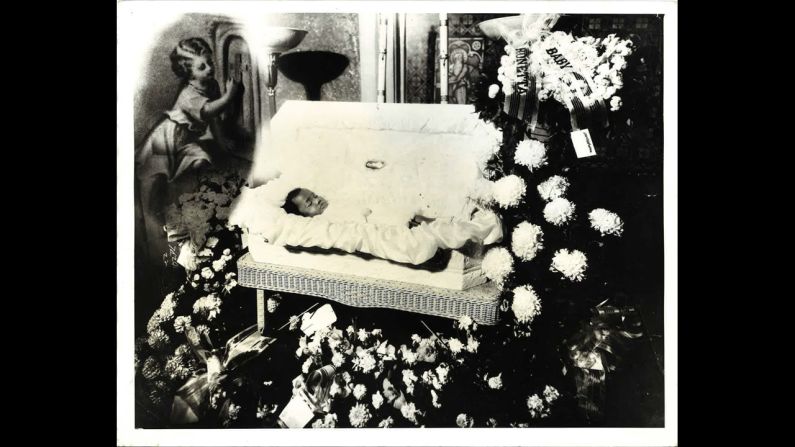
Funeral portraits of children were often the only photographs their parents had to remember them by.
James VanDerZee/Donna Mussenden VanDerZee
Death in Harlem —
VanDerZee's photographs serve as visual documentation of African-American lives and became an important part of the historical record.
James VanDerZee/Donna Mussenden VanDerZee
Death in Harlem —
VanDerZee's funeral images from the 1920s to the 1960s were later assembled into a book, "The Harlem Book of the Dead."
James VanDerZee/Donna Mussenden VanDerZee
Death in Harlem —
Americans were once much more open about death. Then it became a taboo subject. But now, death is once again entering the conversation.
James VanDerZee/Donna Mussenden VanDerZee
Death in Harlem —
VanDerZee's haunting images prompt viewers to contemplate a difficult subject.