How Sochi plans for Russia’s first F1 grand prix | CNN
Thank You!
Your effort and contribution in providing this feedback is much
appreciated.
Close
Ad Feedback
How Sochi plans for Russia’s first F1 grand prix
Russia's first F1 grand prix —
Sochi hopes to be a town synonymous with global sport in the coming years. Not only is it playing host to the 2014 Winter Games and for matches in the 2018 World Cup, it will also stage Russia's first F1 grand prix in October of this year.
Formula Sochi
Russia's first F1 grand prix —
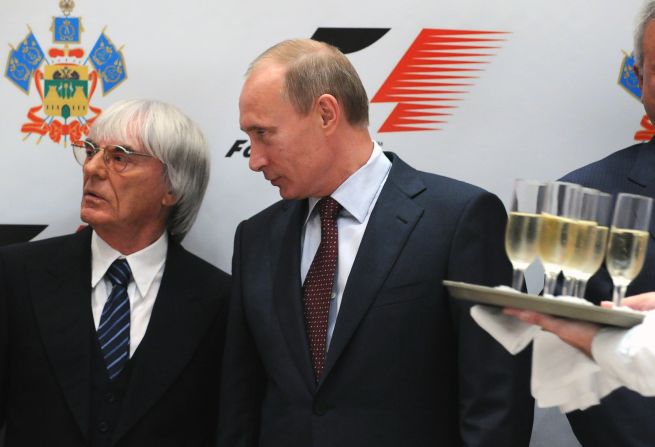
"He's my sort of man," Formula One supremo Bernie Ecclestone says of Russian president Vladimir Putin. "He knows what he wants to do and he gets on and does it. I've never had any fear that what he agreed to do wouldn't happen."
ALEXANDER NEMENOV/AFP/Getty Image
Russia's first F1 grand prix —
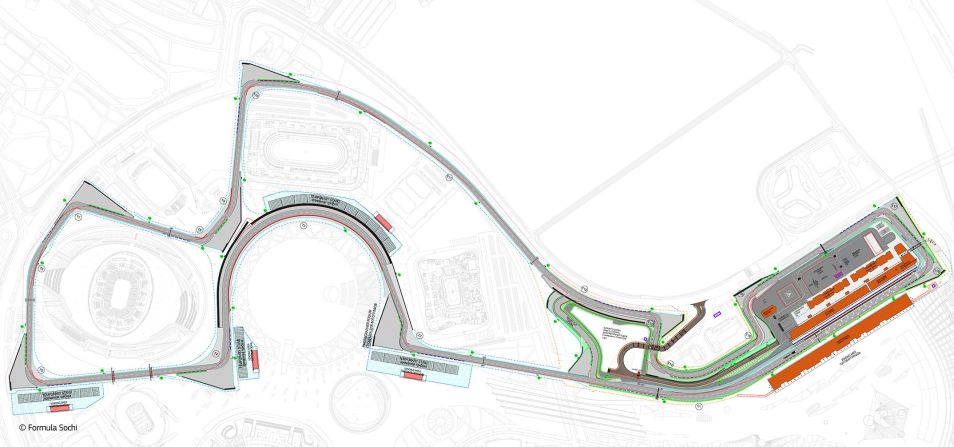
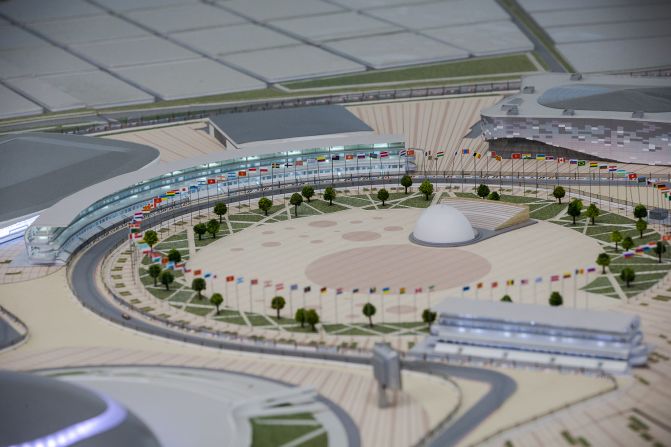
The new circuit will run in a clockwise direction and consists of 12 right and six left turns, including the long, circular corner around the central Olympic plaza which designer Hermann Tilke calls "the hardest corner in F1." Cars will accelerate from 80 miles per hour to 190 mph around the curve.
Formula Sochi
Russia's first F1 grand prix —
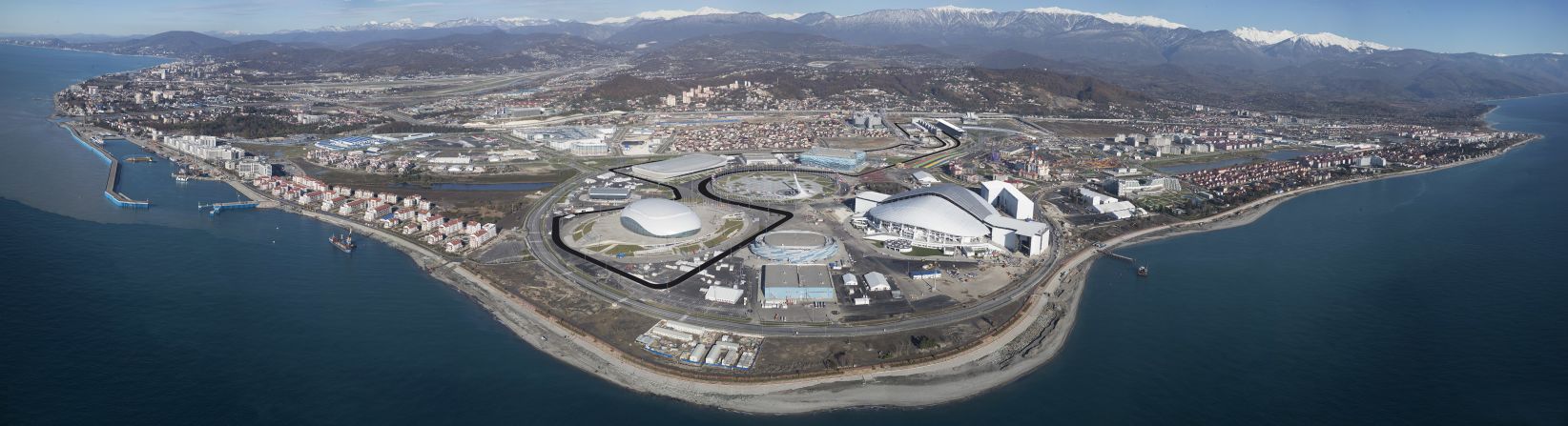
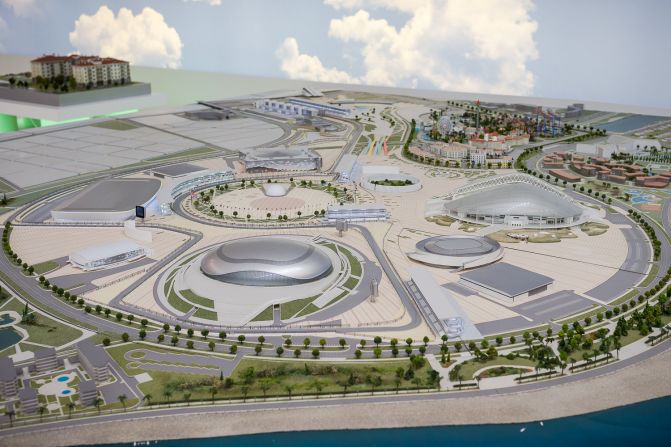
The Sochi GP will cut its way straight the middle of what is now the Olympic Park. Organizers claim its location also means it will benefit from good transport links, with the railway station, connecting roads and airport facilities currently being used to deliver spectators to the Games.
Formula Sochi
Russia's first F1 grand prix —
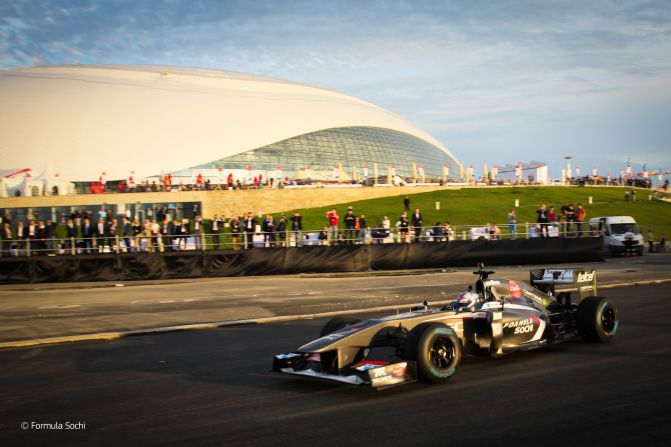
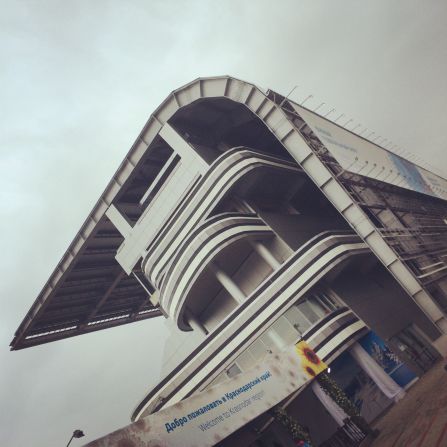
Cars will reach a top speed of 199 mph between the first and second turns over a distance of 650 meters. The cars will then sweep past the Fisht Stadium and the Bolshoy Ice Dome (pictured) with an average lap speed of 134 mph.
Formula Sochi
Russia's first F1 grand prix —
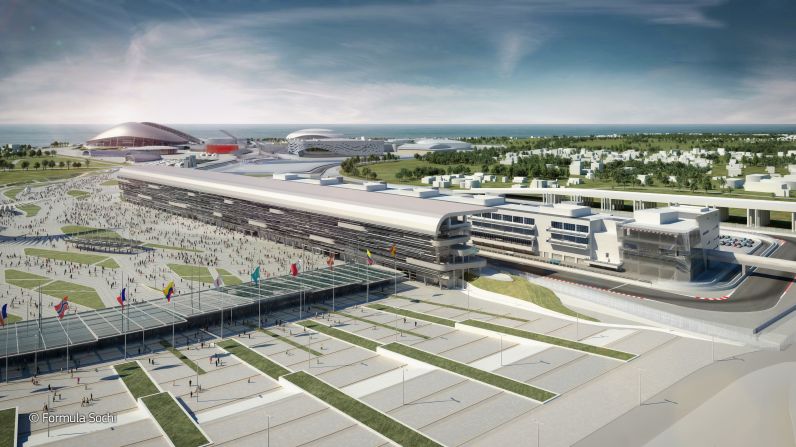
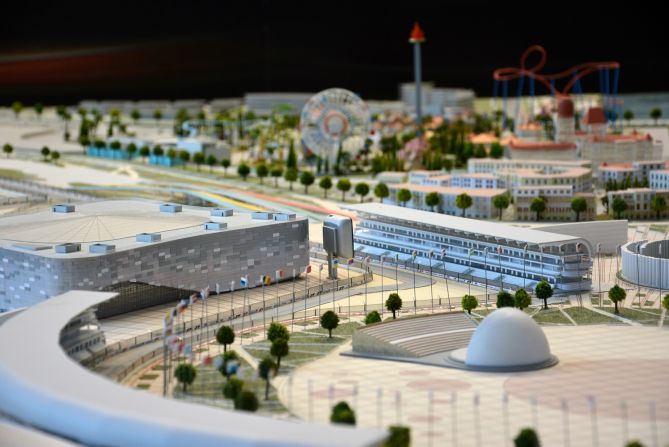
"60,000 fans are expected to come here (in October) and this means we're extending the resort season," race promoter Oleg Zabara told CNN. The construction of new stands will take place opposite what is now the Iceberg Skating Palace.
Formula Sochi
Russia's first F1 grand prix —
New spectator stands will also be constructed around the perimeter of the Olympic Park plaza, in front of the Adler Arena. But will there be enough demand to fill them? Zabara remains confident that demand will be high: "A lot of Russian spectators visit F1 all over the world. When we have our own track we'll attract fans because it's better to see it with your own eyes than watch on television."
Formula Sochi
Russia's first F1 grand prix —
"The track is 91% complete. Judging on the buildings -- yes, we are prepared. But we have still some work to do: to lay the third layer, barrage services and some electronics. But in whole everything is ready," says Zabara.
Formula Sochi
Russia's first F1 grand prix —
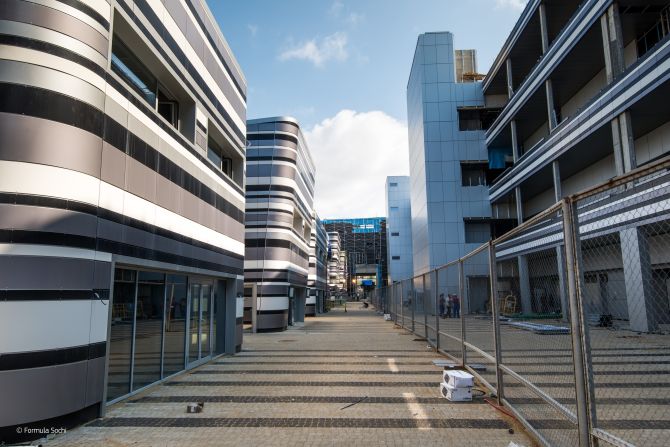
"All these buildings have been built in two years' time," Zabara says of the new pit complex and paddock area where CNN meets him in his office. "Nevertheless through the process of swirling and boiling we've cooked this tasty pie!"
Formula Sochi
Russia's first F1 grand prix —
"First impression (of the site) was it was a big hole!" says engineer Tilke. "Olympic construction was just in the earthworks phase so it looked like a desert of mud,"
Ben Wyatt/CNN
Russia's first F1 grand prix —
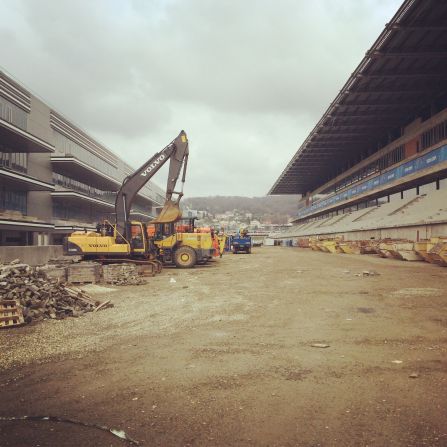
"We were a construction site within a construction site, it was difficult but everyone pulled the same way to make it happen," Tilke says. "I had more meetings about Sochi than any other grand prix." Pictured is the current state of the start/finish straight, a short distance from the Olympic Park's central plaza.
Ben Wyatt/CNN
Russia's first F1 grand prix —
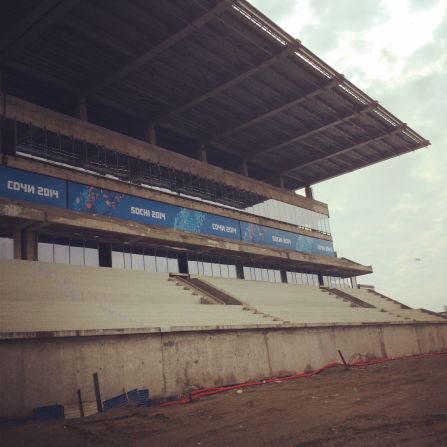
"I will feel very nervous (on race day)," says Tilke. "The track will work but so many little things can go wrong, the electricity here, the sewerage pipes there. It's a prototype circuit so you're hoping the small things will work for the first event." The main structure of the grandstand is in place but the interiors and seating areas need to be finished before October.