Your effort and contribution in providing this feedback is much
appreciated.
Close
Ad Feedback
Top turkey tips
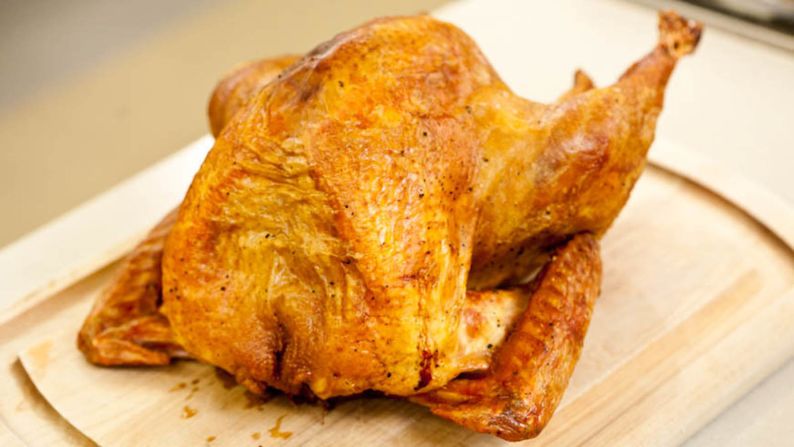
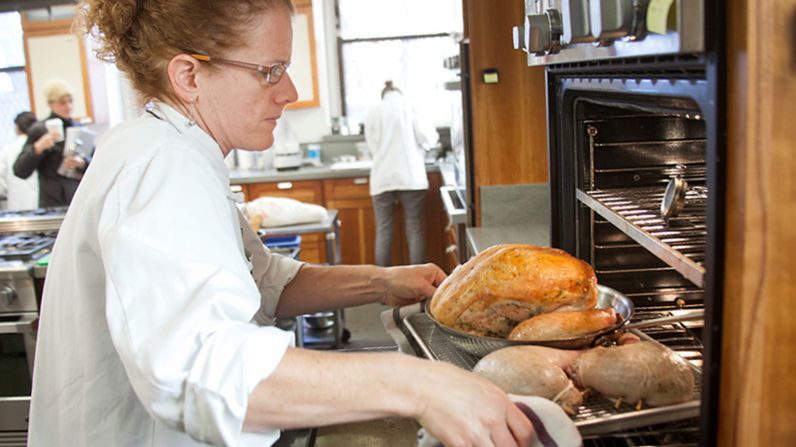
Dark meat (thighs and drumsticks) cooks more slowly than white breast meat. No matter which cooking method you use, shield the breast meat to protect it from the heat by starting the bird either breast side down or with the breast to the side, then finishing breast side up.
America's Test Kitchen
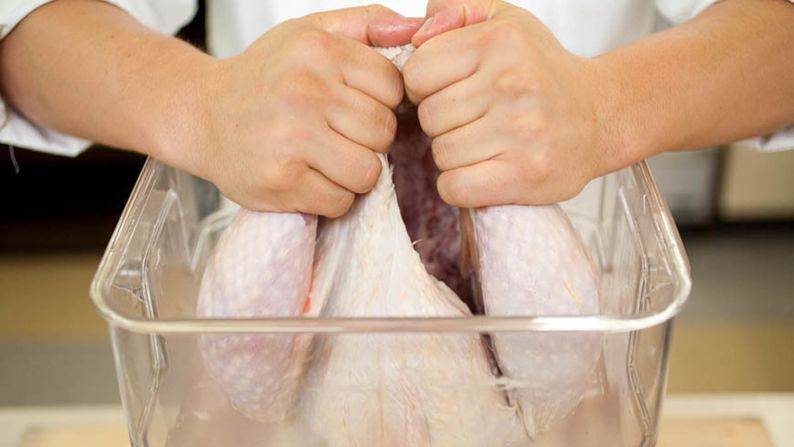
Brining works faster than salting and can also result in juicier lean cuts since it adds, versus merely retains, moisture. But note that brining inhibits browning, and it requires fitting a brining container in fridge.
America's Test Kitchen
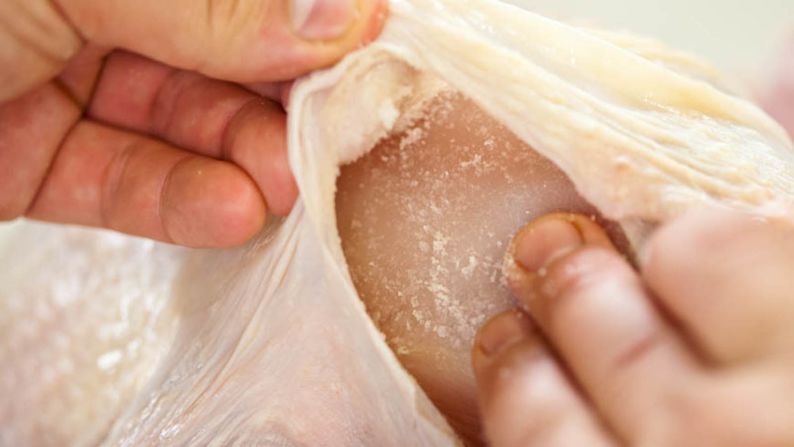
Salting poultry in advance is one way to season the meat and keep it juicy. When salt is applied to raw poultry, juices inside are drawn to the surface. The salt then dissolves in the exuded liquid, forming a brine that is eventually reabsorbed by the poultry.
America's Test Kitchen
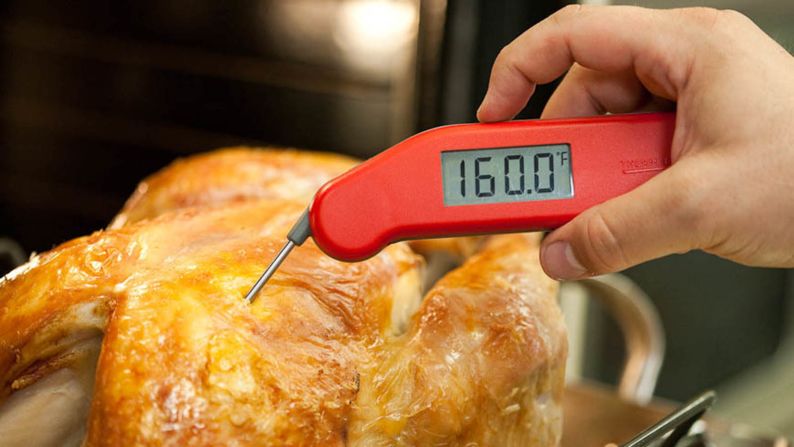
White meat should be cooked only to an internal temperature of 160 degrees, while dark meat should be cooked to 175 degrees. Having a good instant-read thermometer is essential.
America's Test Kitchen
As poultry cooks, the juices are driven toward the center of the cut, so a resting period after cooking is essential to allow those juices time to redistribute evenly throughout.