Faces of mandatory minimums —
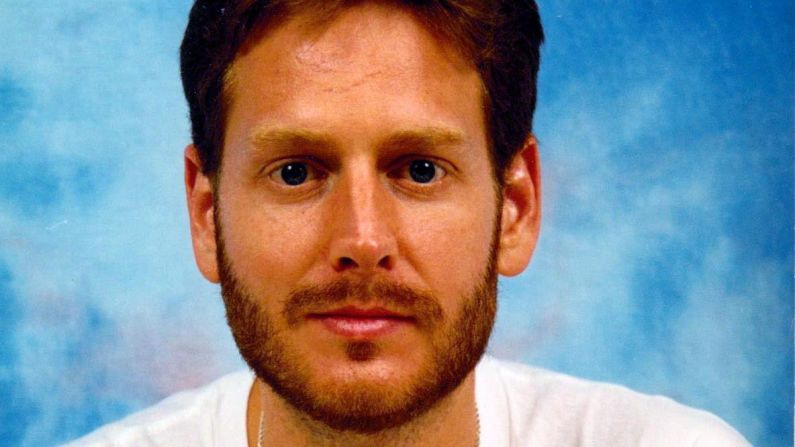
Timothy Tyler, an LSD addict and nonviolent drug offender, was arrested in 1992 and sentenced in 1994 for conspiracy and possession with intent to distribute LSD. Because of two prior LSD distribution charges, the sentence was life in prison.

Faces of mandatory minimums —
Stephanie Nodd emerged from federal prison in 2011 after spending 21 years for her first and only conviction: conspiracy to sell crack cocaine. Under new guidance announced recently by Attorney General Eric Holder, today she'd likely spend no more than 10 years in prison, and perhaps less.

Faces of mandatory minimums —
In 1991, plainclothes officers at a train station in Maryland stopped Ricky Darden because he looked "worried and nervous," according to Families Against Mandatory Minimums. Darden refused to let the officers search his bag, and a drug dog was brought in to search it. They found 217.7 grams of crack in the bag. A Maryland judge threw Darden's case out claiming the officers did not have sufficient cause to detain his bag, and the Maryland Supreme Court upheld the ruling saying it was unconstitutional. The federal government prosecuted Darden and found him guilty of possession with intent to distribute cocaine base. Because of two prior offenses, Darden's mandatory minimum sentence was life in prison.
Faces of mandatory minimums —
In 1999, Sharanda Jones was arrested and charged with conspiracy to distribute crack cocaine. She was found guilty and sentenced to life in prison without parole, her first and only conviction. Jones bought cocaine from a Houston supplier and brought it to Dallas to be turned into crack cocaine. She was considered the leader of the conspiracy and had her sentence enhanced because she possessed a legally purchased firearm.
Faces of mandatory minimums —
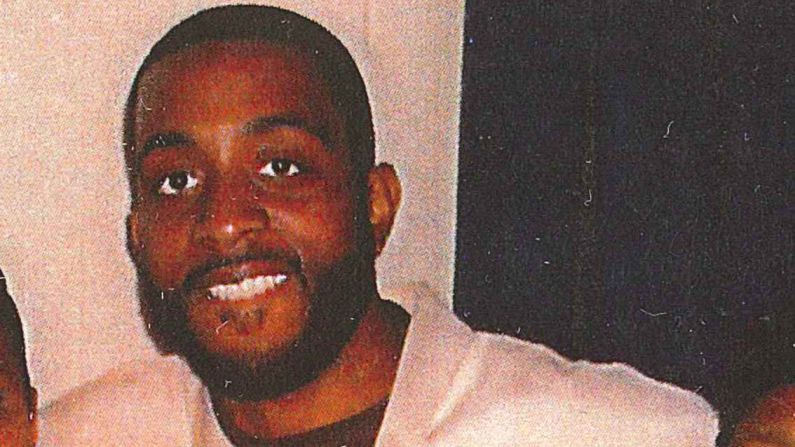
DeJarion Echols was arrested in Waco, Texas, in 2004 after police obtained a search warrant for his home and discovered 44 grams of crack cocaine, an unloaded rifle and $5,700 in cash. However, Echols was held responsible for approximately 500 grams of crack because of the Drug Enforement Agency's conversion rate for the $5,700 was considered equal to an additional 450 grams. He is serving 20 years in prison and is projected to be released in February 2023. At Echols' sentencing, U.S. District Judge Walter S. Smith Jr. said, "This is one of those situations where I'd like to see a congressman sitting before me."

Faces of mandatory minimums —
In 2006, Telisha Watkins was arrested in North Carolina and charged with conspiracy to possess with intent to distribute cocaine and cocaine base. She is serving a 20-year sentence. Watkins arranged for a former neighbor, who was a police informant, to purchase cocaine from a dealer. However, crack cocaine was found in the dealer's van, for which Watkins was held responsible. Because of her prior convictions and the crack cocaine, she was given a much harsher sentence.
Faces of mandatory minimums —
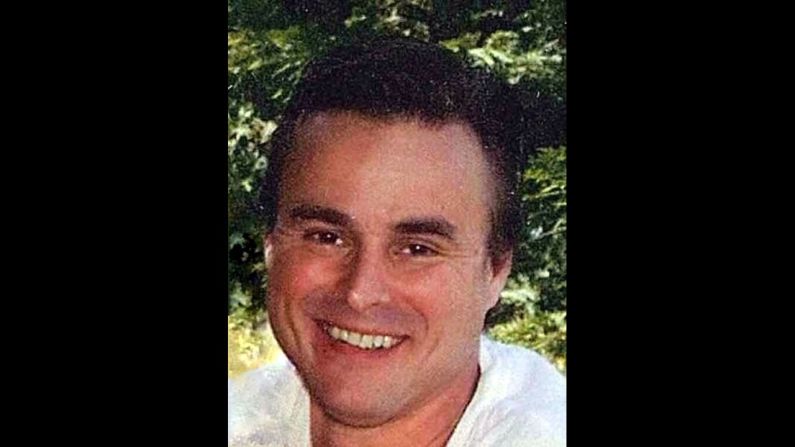
In 2008, Jack Carpenter was arrested in his California home and charged with conspiracy to grow and distribute marijuana. Carpenter obtained a medicinal marijuana license in California in 1996 to treat stomach pains he suffered since childhood. He grew the plant in his home for personal use. Carpenter began to distribute to medicinal marijuana dispensaries, and he grew plants in three houses, all of which went to the dispensaries. Police found 2,846 plants from the three houses, and $16,000 in cash belonging to one of Carpenter's employees. Carpenter was considered the leader of a conspiracy to distribute at least 100 kilograms of marijuana and sentenced to 10 years. His project release date is 2017.