Your effort and contribution in providing this feedback is much
appreciated.
Close
Ad Feedback
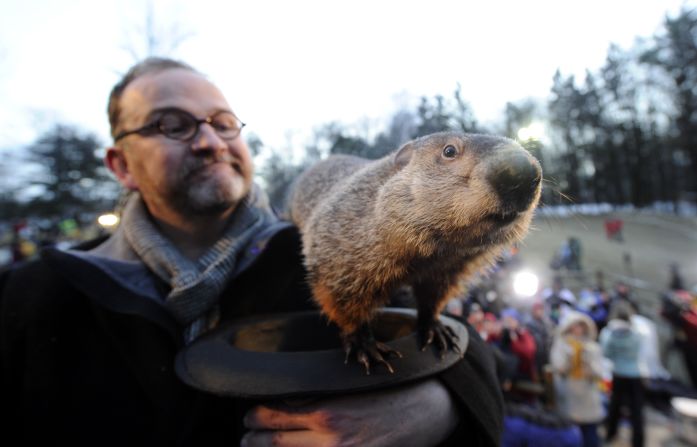
Punxsutawney Phil and his festive friends
This is the famous Punxsutawney Phil in Punxsutawney, Pennsylvania. Groundhog Day is a tradition in the United States and Canada that celebrates a groundhog's emergence from his winter den. Superstition holds that if a groundhog sees his shadow as he leaves the burrow, there will be six more weeks of winter weather. If the groundhog does not see his shadow, you can expect an early spring. Native Americans also have traditions of animals predicting the weather, and groundhogs figure prominently in their religions and mythology.
Jeff Swensen/Getty Images
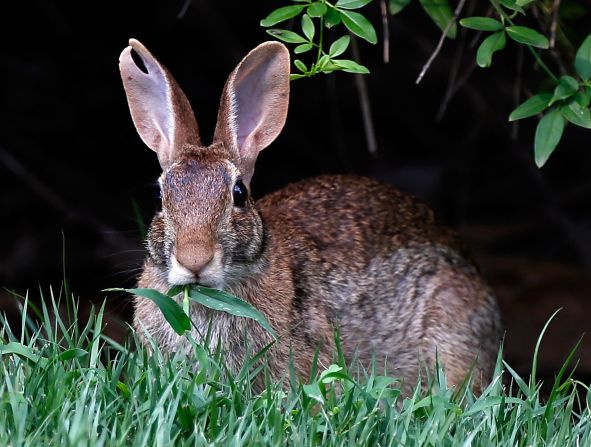
The Easter Bunny has long been associated with Christianity's most important holiday. Rabbits are an ancient symbol of fertility, the moon and spring. In Germany, springtime celebrations including a magical egg-laying hare called Osterhase helped lay the foundations for Easter baskets full of eggs and other goodies.
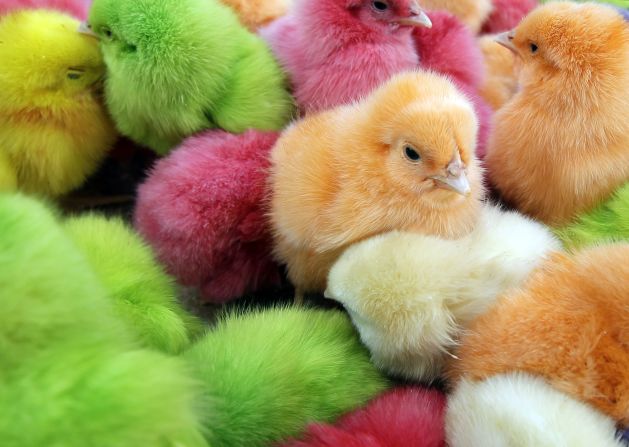
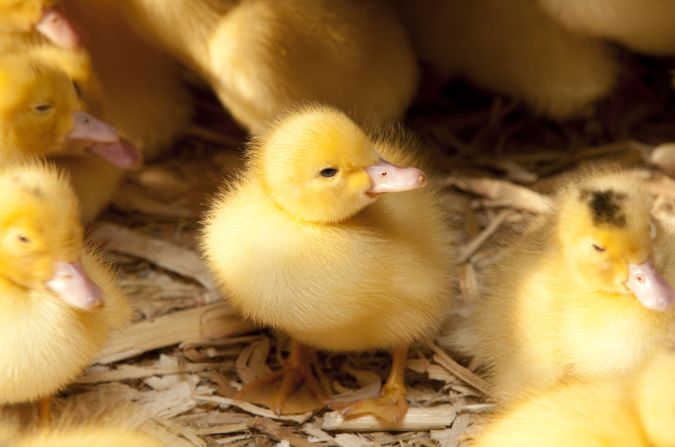
Easter ducklings, like their feathery friends the chicks, also have a history as Easter gifts. It's hard to resist the fluffy down of a 2-week-old duckling. Ducks make excellent and loyal pets, according to animal expert Marc Morrone, but they are difficult to care for as babies, and are often abandoned at local ponds after Easter.
OLLI GEIBEL/AFP/Getty Images
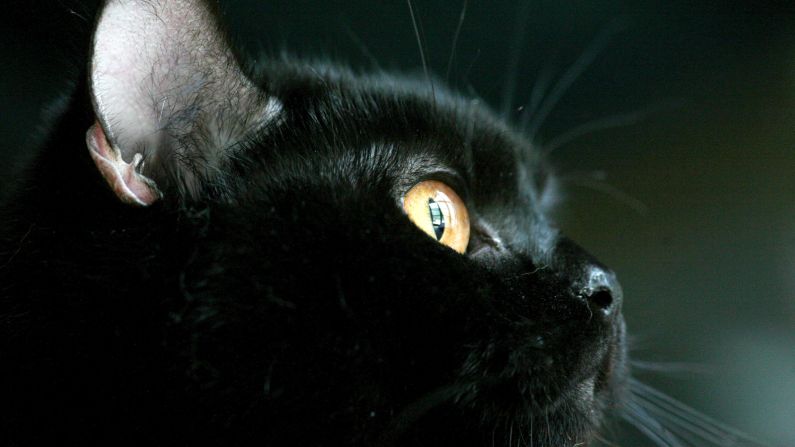
Magical beasts have been part of Halloween since pre-Christian times. Hysterical fear of witches (said to turn into cats) in the middle ages linked felines to the holiday.
AFP/AFP/AFP/Getty Images
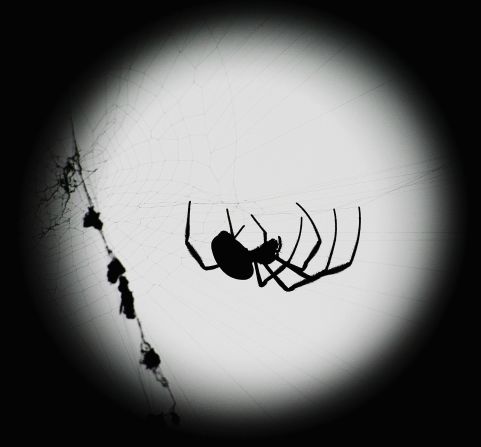
Spiders are also associated with Halloween imagery, thanks in part to their historic association with ancient religions. The myths surrounding gods and supernatural beings who can predict the future or plot fate are often associated with spinning, thread, weaving and spider webs. But after all, spiders can be scary -- some bite! -- and spooky imagery is part of the Halloween tradition.
Ian Waldie/Getty Images
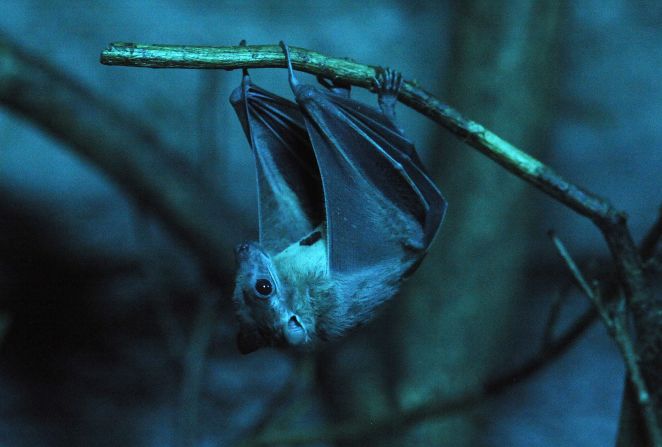
Bats are an unmistakable hallmark of Halloween. An ancient tradition associated with the holiday is the nighttime bonfire, which lit up the night sky. Bats don't have ancient associations with Halloween, but the night sky does -- and that's often where bats can be seen.
MICHAL CIZEK/AFP/Getty Images
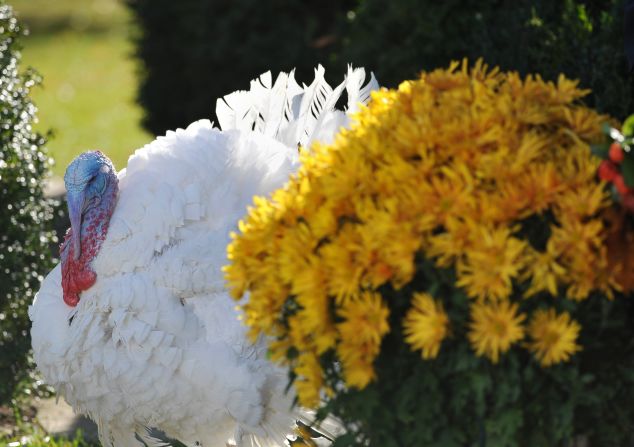
Cobbler, seen here, is one lucky Thanksgiving turkey. He was pardoned by President Barack Obama on November 21, 2012, at the White House, and avoided a roasty demise. The holiday is a unique American tradition that the turkey has come to represent: For Thanksgiving, 2011, people in the United States ate an estimated 46 million turkeys. Benjamin Franklin was so enamored of turkeys that he suggested it represent the country as the national bird -- but the rest of the founding fathers preferred the bald eagle.
MANDEL NGAN/AFP/Getty Images
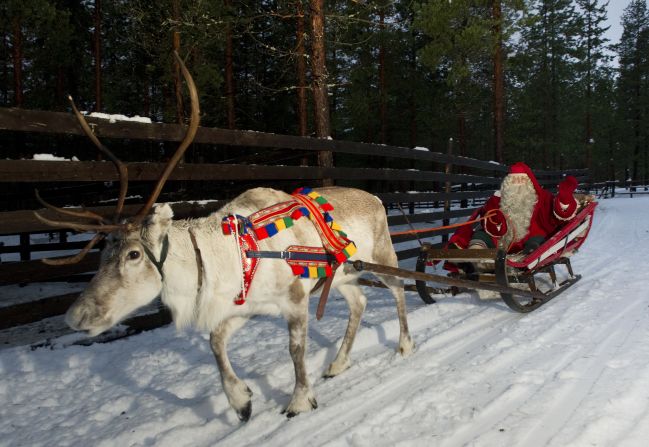
Christmas is a Christian holiday celebrating the birth of Jesus Christ, but it was the worship of St. Nicholas that made reindeer significant to the holiday. St. Nicholas was born in modern-day Turkey, far away from the nordic stomping grounds of reindeer. But Dutch and German traditions of "Sinterklaas" shaped the idea of Santa Claus, a jolly old man who lives at the North Pole -- with reindeer. Then, in 1939, the story of "Rudolph, the Red-Nosed Reindeer" was written by a Montgomery Ward department store copy editor. It hooked Americans on these adorable, wintery beasts.