Your effort and contribution in providing this feedback is much
appreciated.
Close
Ad Feedback
Cemetery houses famous Americans
Cemetery traces American history —
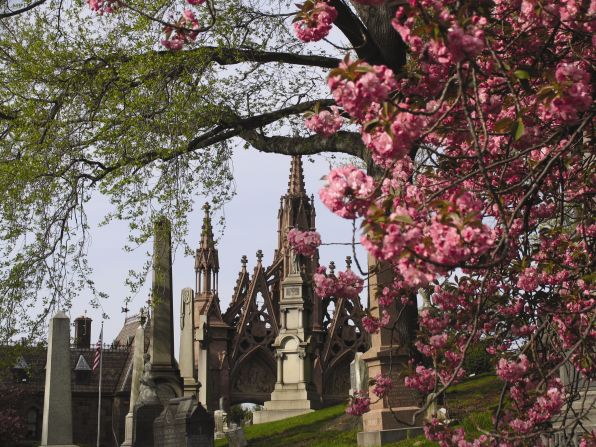
A gothic-style arch marks the entrance to Brooklyn's Green-Wood Cemetery, home to nearly 600,000 grave sites, including infamous politicians, sports figures and inventors. Here's a look at the 175-year-old burial grounds, which sustained some damage this fall during Superstorm Sandy:
Aaron Brashear
Cemetery traces American history —
Founded in 1838, Green-Wood Cemetery in Brooklyn was designated a National Historic Landmark by the federal government in 2006. It boasts one of the largest outdoor collections of 19th and 20th century statues and mausoleums.
Green-wood Historic Fund
Cemetery traces American history —
The cemetery organizes numerous guided tours of its 478-acre grounds and its ornate burial sites and headstones, many of them decorated with beautiful sculpture.
Green-wood cemetery
Cemetery traces American history —
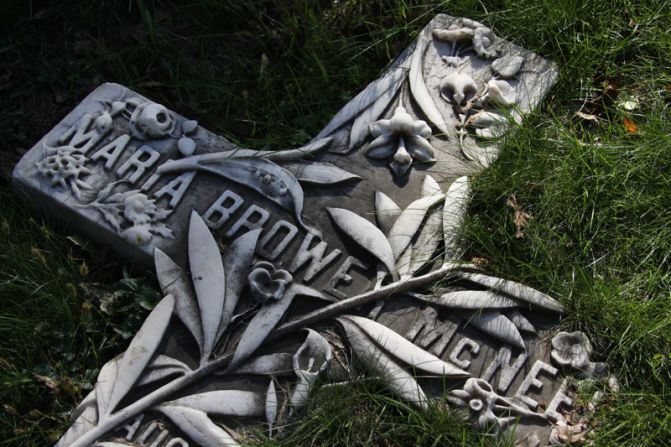
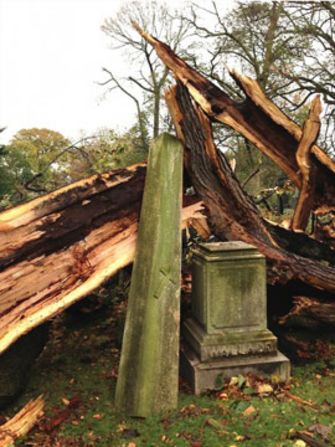
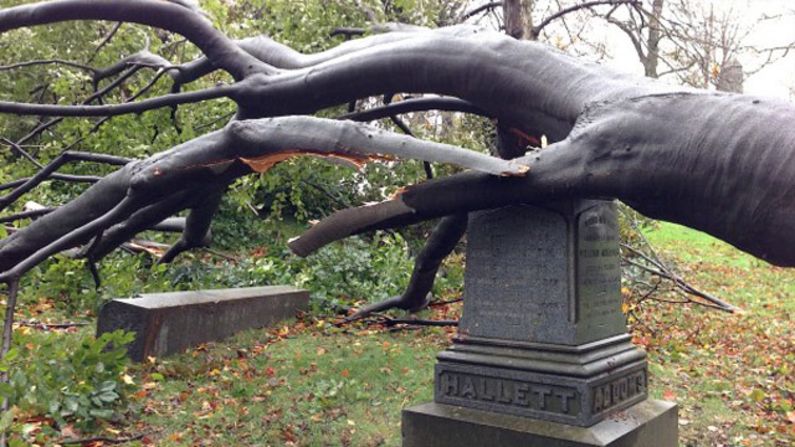
Superstorm Sandy destroyed more than 100 trees and badly damaged scores of monuments when it struck the Northeast in late October, according to Green-Wood's president, Richard Moylan.
Green-wood Cemetery
Cemetery traces American history —
This beech tree, knocked down by Sandy's winds, toppled a granite obelisk off this gravestone.
Green-wood Cemetery
Cemetery traces American history —
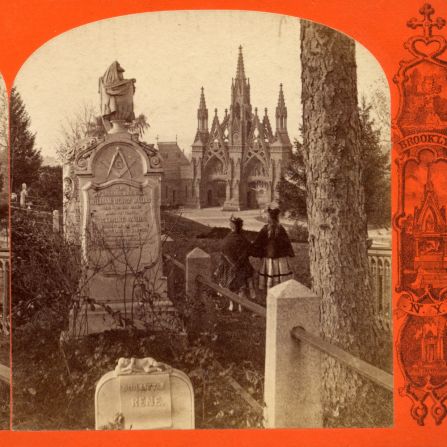
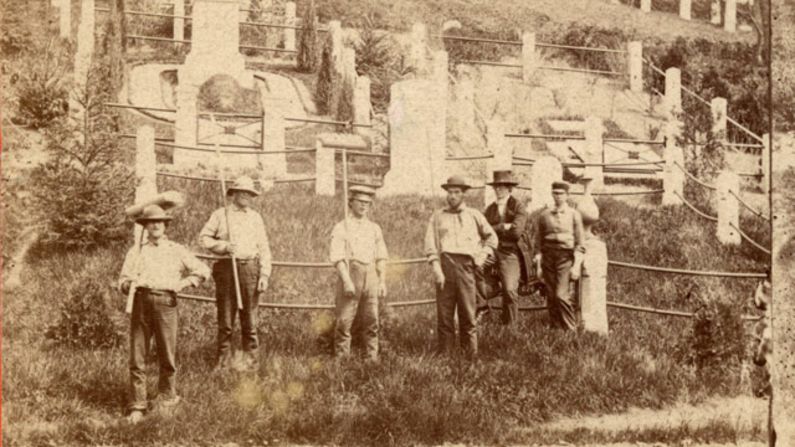
One of the United States' first rural cemeteries, Green-Wood was founded in 1838 and just a few short decades later attracted 500,000 visitors each year.
Green-Wood Historic Fund
Cemetery traces American history —
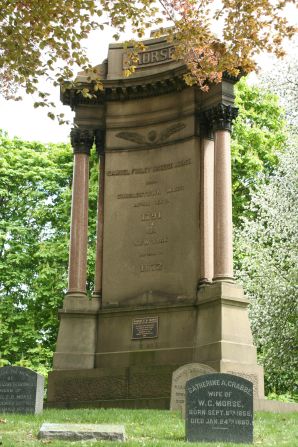
There's a plethora of famous Americans buried at Green-Wood, including Samuel Morse, inventor of the single-wire telegraph and known for his Morse code. The cemetery's website cites The New York Times, which wrote in 1866, "It is the ambition of the New Yorker to live upon Fifth Avenue, to take his airings in the (Central) Park, and to sleep with his fathers in Green-Wood."
Green-Wood Cemetery
Cemetery traces American history —
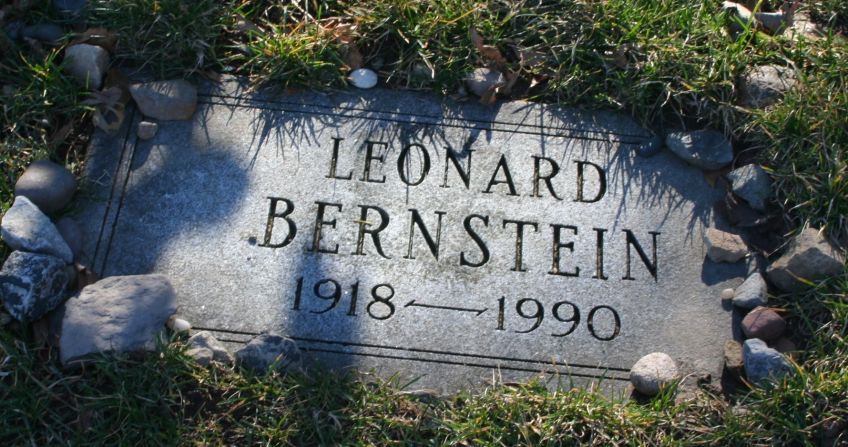
Famed composer Leonard Bernstein, who penned the score for "West Side Story," is buried at Green-Wood.
Green-Wood Cemetery
Cemetery traces American history —
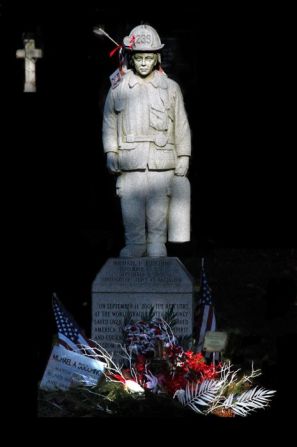
Other residents may not be known by name, but their deaths -- and the monuments to their lives -- capture an important moment in American history. Here, the grave site for Michael Bocchino, a firefighter killed on September 11, 2001.
Green-wood Cemetery
Cemetery traces American history —
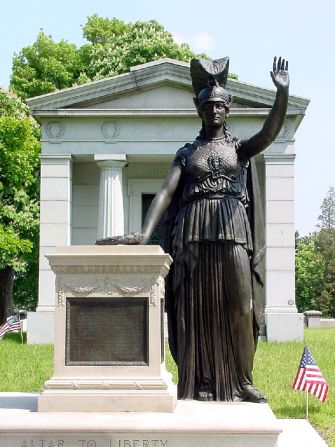
The American Revolution's Battle of Brooklyn was fought on the cemetery's grounds on August 27, 1776. While many soldiers were buried where they fell, there are no revolutionary war-era graves in Green-Wood. This statue of the Roman goddess Minerva commemmorates the Battle of Brooklyn. Unveiled in 1920, it has a direct line of sight to the Statue of Liberty. In fact, the two statues are said to be saluting each other.
Cemetery traces American history —
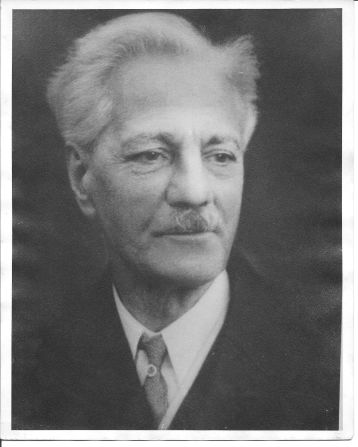
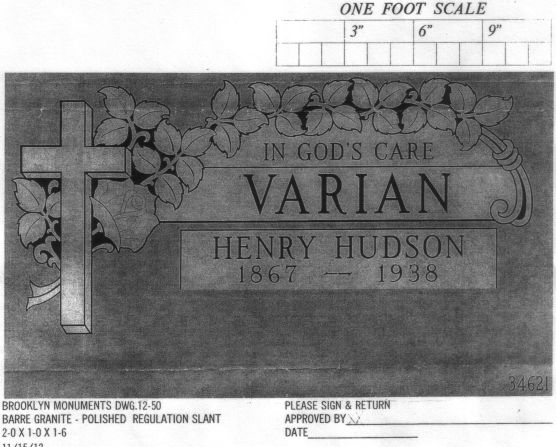
For 75 years, American journalist Henry H. Varian was buried at Green-Wood with no headstone. This fall, his relatives located his grave site and commissioned a headstone to be placed there.
Varian Family Photo
Cemetery traces American history —
Varian's headstone will have a rose-leaf pattern, picked out by his daughter, Frances Campbell, now in her 80s. She said it reminded her of a poem he wrote, "The Rose of New Rochelle."