Arsene Wenger: The man who was once invincible | CNN
Thank You!
Your effort and contribution in providing this feedback is much
appreciated.
Close
Ad Feedback
Arsene Wenger: The man who was once invincible
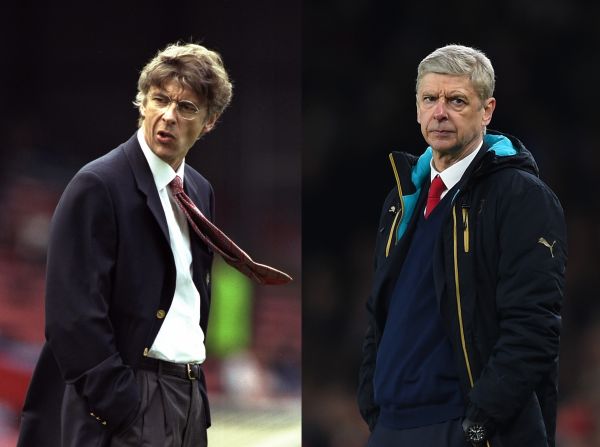
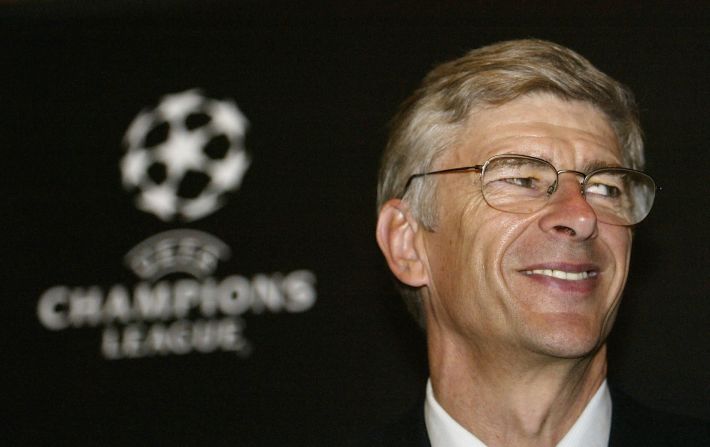
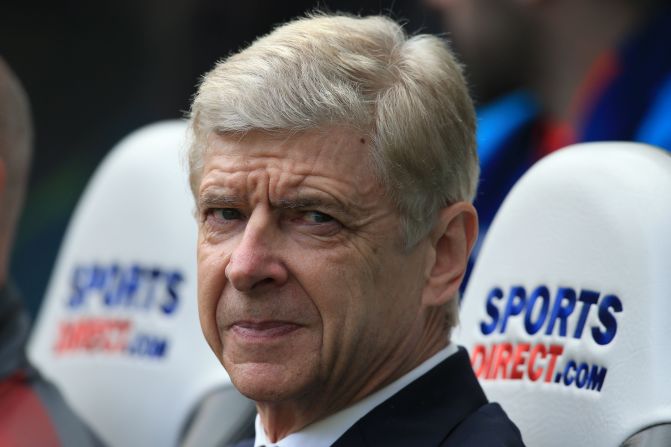
Arsene Wenger —
After being appointed as Arsenal's manager in 1996, Arsene Wenger went on to have a huge impact on the club and English football. He introduced new ideas about nutrition, training and tactics and established a track record for signing players who became global stars. But later in his career, after a decline in performance and a failure to qualify for Champions League, Wenger faced pressure from disgruntled fans.
Getty Images
Before Arsenal —
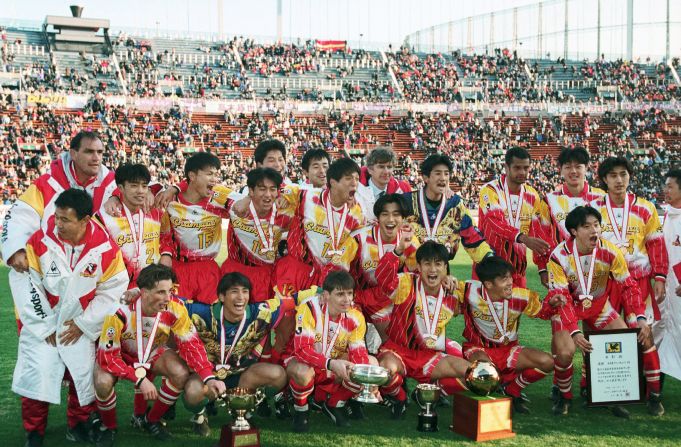
The Frenchman joined Arsenal in 1996 after managing Japanese club Nagoya Grampus Eight. Twenty years after his brief stay in Japan, Wenger's influence still echoes, following its rise from a backwater of world football to one of its emerging powers.
Getty Images
Strengthening the side —
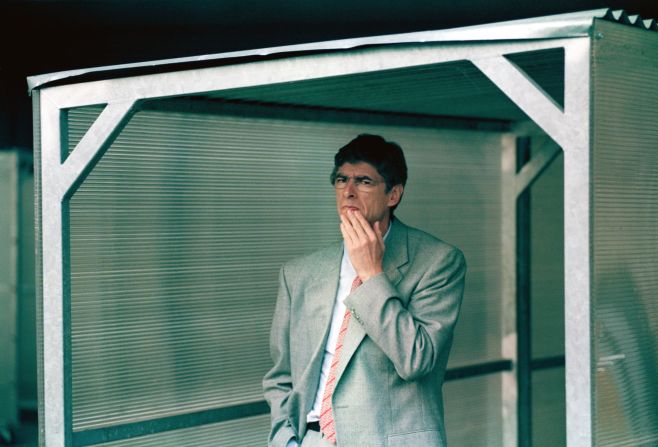
Wenger began changing the culture of Arsenal almost immediately, although not without some player resistance. He changed players diets -- where he famously banned them from chocolate and replaced the cafeteria's menu from burgers to fish, chicken and vegetables. He also applied a tough training regime and emphasized the importance of ball control.
Shaun Botterill/Hulton Archive/Getty Images
Double win —
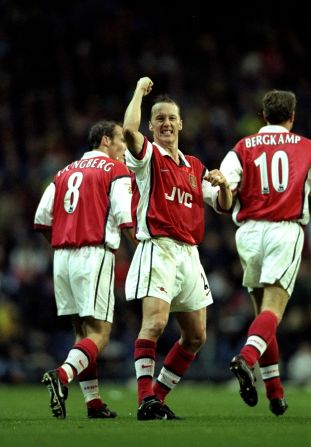
In 1998, it all paid off. Wenger became the first foreign manager to win both the Premier League title and the FA Cup. He went on to repeat that double again in 2002.
Shaun Botterill/Getty Images Europe/Getty Images
History repeats itself —
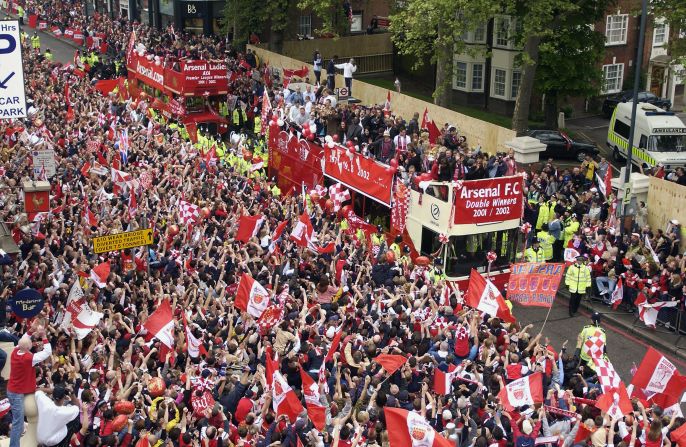
Open top bus parades began the norm for Arsenal fans, this one taking place in 2002.
Getty Images
The Invincibles —
The 2003-2004 team earned the nickname "The Invincibles" after it went through the Premier League season undefeated -- with 26 wins and 12 draws.
Ian Walton/Getty Images Europe/Getty Images
New, young players —
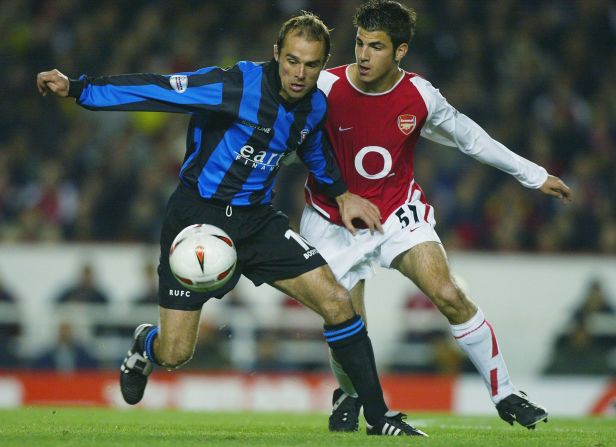
In years to come, Wenger would attempt to rebuild and renovate his team. In 2003, he signed Cesc Fabregas -- who became Arsenal's youngest ever played at the age of 16.
Getty Images
New, young players —
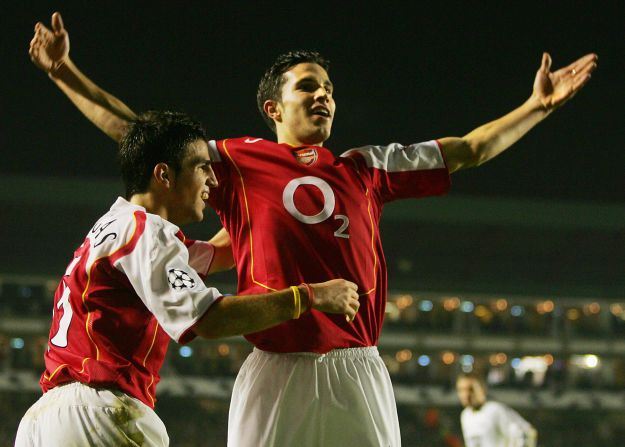
At the end of the 2003-2004 season, he also signed Dutch striker Robin Van Persie for £3 million -- who once said Wenger was the best manager in the world.
Getty Images
Invicible days over —
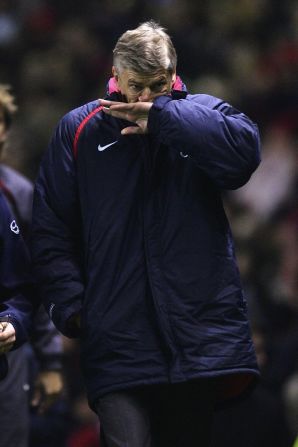
Arsenal's unbeaten streak of 49 games was over in 2004, after being defeated by Manchester United. This would be the beginning of Wenger and Arsenal's downfall, with the 2005 FA Cup being the last major trophy they'd win for almost a decade.
Alex Livesey/Getty Images
Champions League controversy —
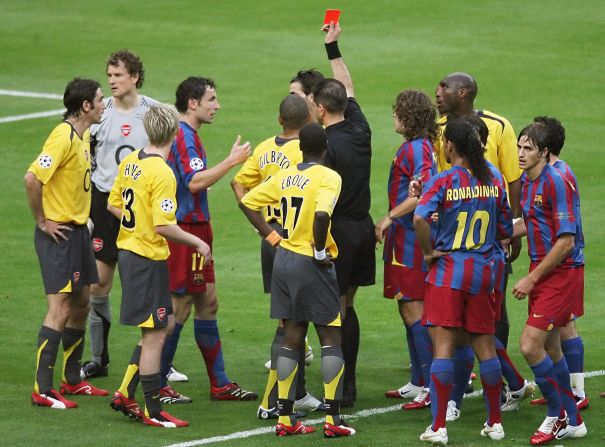
There were still highlights, though. In 2006, the team reached the final of the Champions League but lost 2-1 to Barcelona. Arsenal led for much of the match before conceding two late goals. The first-half sending off of Arsenal goalkeeper Jens Lehmann made the task all the more difficult.
GABRIEL BOUYS/AFP/Getty Images
Champions League controversy —
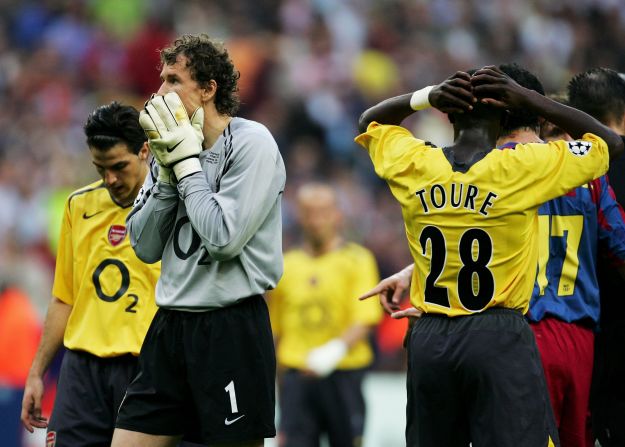
Lehmann was visibly distraught as he left the pitch after fouling Barcelona's Samuel Eto'o.
Getty Images
Struggles —
Years passed and fans hope faded. Wenger struggled to hold onto key players, and lost the likes of Fabregas, to Barcelona, and Van Persie -- who joined rivals Manchester United.
Shaun Botterill/Getty Images Europe/Getty Images
Shiny stadium, no trophies —
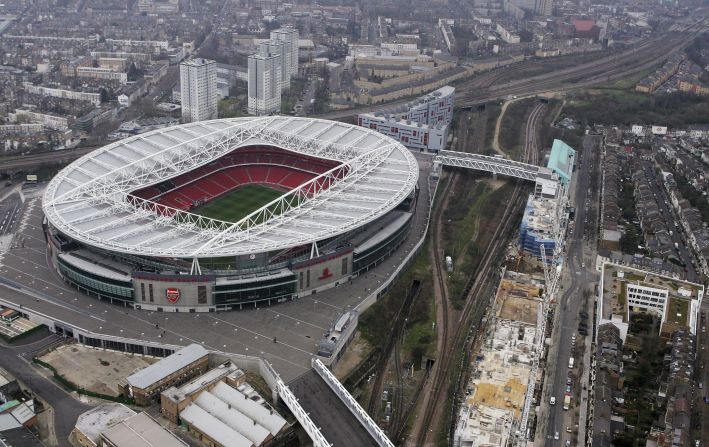
Wenger played a pivotal role in the building of Arsenal's new training ground and the move from Highbury to their new state-of-the-art Emirates Stadium, which opened in 2006. However, the funding for the new stadium -- which cost £390 million -- set Wenger back, forcing him to be adopt a conservative approach in the transfer market. So while the team had a shiny new football ground, they were left without any new trophies.
Mike Hewitt/Getty Images
Nine-year drought —
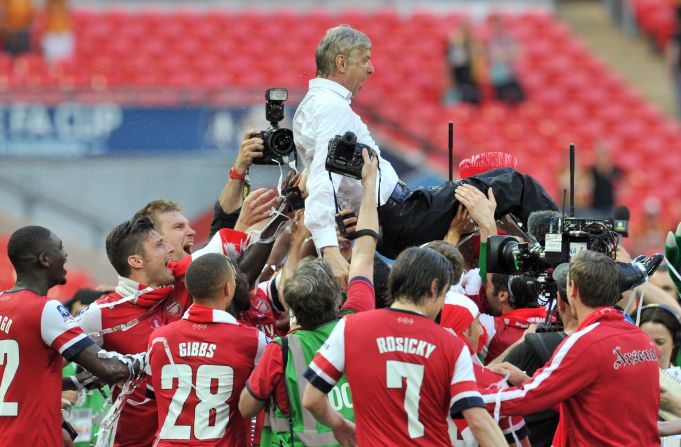
Then finally, after a nine-year drought, Arsenal won silverware once again after beating Hull City in a gripping 2014 FA Cup final. Arsenal players carried their French manager as they celebrated after the match.
Getty Images
Silverware —
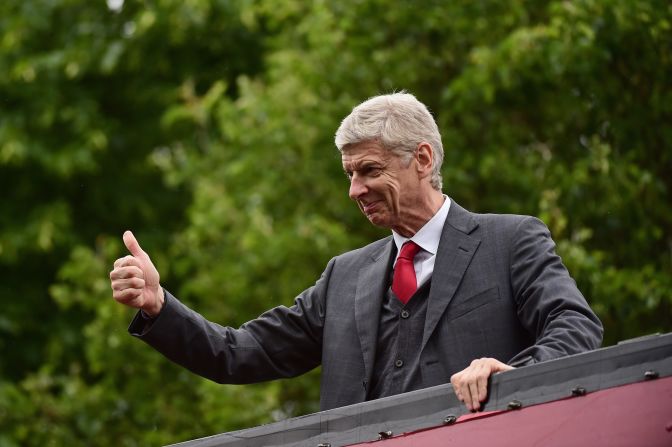
Over 250,000 fans turned out to watch the team's open-top bus parade through Islington.
LEON NEAL/AFP/AFP/Getty Images
Time to say goodbye —
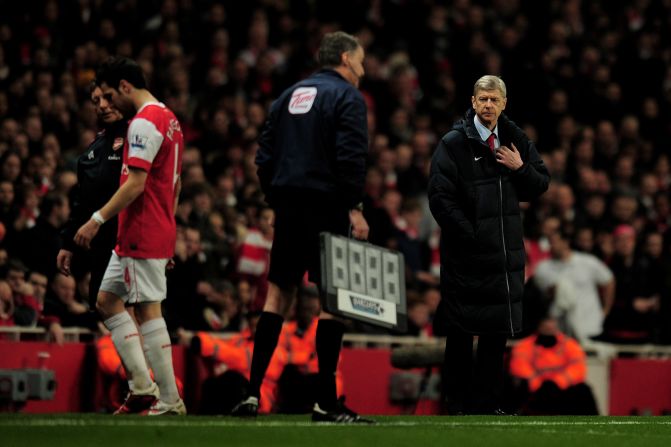
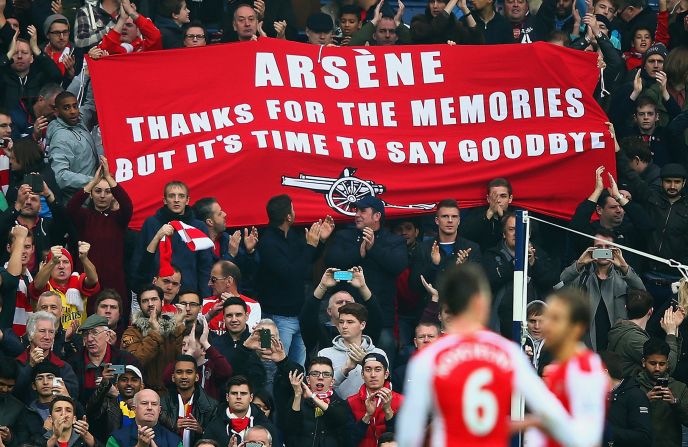
In the years that followed, though, Wenger continued to face fan backlash. "Thanks for the memories," one sign read, "but it's time to say goodbye."
Getty Images
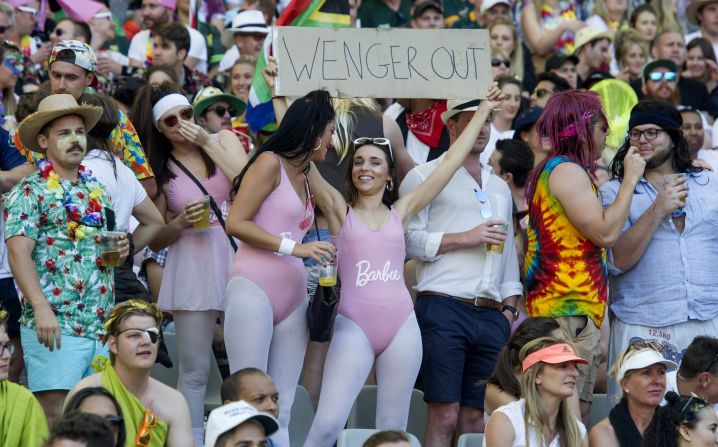
Wenger Out —
Eventually, "Wenger Out" banners started appearing all over the world, this one was spotted at the annual rugby sevens event in Hong Kong.
Getty Images
End of an era —
Then, finally, after 22 years, Wenger announced on April 20 that he would leave Arsenal. "After careful consideration and following discussions with the club, I feel it is the right time for me to step down," he wrote in a statement.